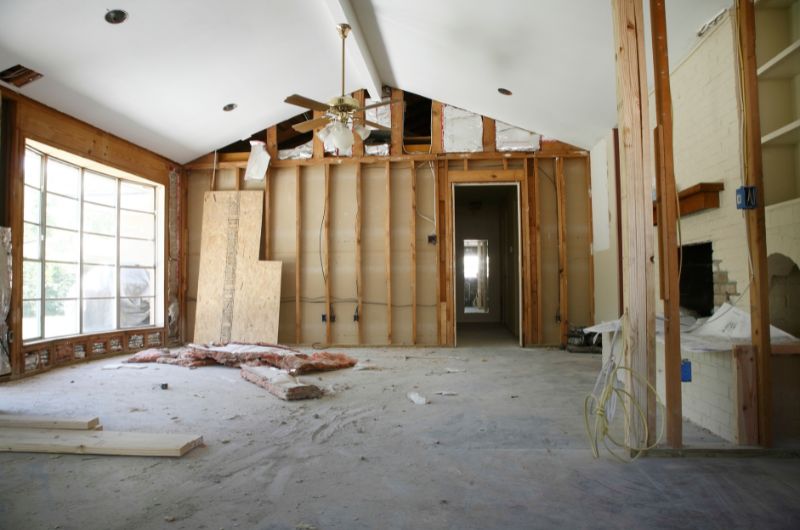
Renovating a rental home can make it more appealing to renters, increase rental income, and add value to your investment. Paying for those updates, though, can be a challenge for many property owners. There are several ways you can cover the cost without paying for the whole project at once. Explore four ways to finance rental home renovations so you can find an option that fits your project, budget, and long-term goals.
Loans to renovate rental property can work in different ways. Your options may depend on the size of the project, how much equity you have, and how soon you need the money. Some renovation loans include both property financing and repair costs. Other options let you use your existing equity or a separate line of credit. Before choosing financing for an investment property, compare rates, repayment terms, renovation costs, and how long funding may take. Your financing should fit the project without putting too much pressure on future rental cash flow.
Hard Money Rehab Loan
Hard money rehab loans usually come from private lenders. These loans are secured mainly by the value of the property. One benefit is that funding may be available faster than with some other loans. That can be helpful when you need to start a time-sensitive renovation project quickly. However, hard money rehab loans usually have higher interest rates than conventional mortgages, so it’s important to understand the full borrowing cost before you move forward.
These loans also tend to have shorter repayment terms. Depending on the loan, you may have anywhere from several months to a few years to repay it. Before borrowing, you’ll want a clear plan for what happens after the renovation is finished. You may plan to refinance the property, sell it, or repay the loan another way. Make sure the expected timeline gives you enough time to complete the work and handle repayment.
Cash-Out Refinance
A cash-out refinance replaces your current mortgage with a larger loan. You receive the difference between the two loan amounts in cash, which you can then use to pay for renovations. This option may offer lower rates than some short-term or unsecured financing options. It can also provide a longer repayment period. However, you’ll generally need enough equity in the rental property, and you’ll still need to qualify for the new mortgage based on the lender’s requirements.
Fannie Mae HomeStyle Renovation Loan
Fannie Mae’s HomeStyle Renovation mortgage lets borrowers combine property financing and renovation costs into one loan. Unlike FHA 203(k) financing, HomeStyle Renovation may be used for an eligible one-unit investment property. That can make it a more useful option for some rental property investors. The amount available for renovations is based partly on the property’s expected value after the work is finished. Renovation costs are also subject to Fannie Mae’s current limits and requirements.
The program can pay for many types of repairs and improvements that become a permanent part of the property. Renovation work generally needs to be finished within 15 months after closing. Your lender may also have added requirements based on the project, property, and borrower. Since program rules and loan terms can change, it’s a good idea to confirm the current requirements and your eligibility with an approved lender before making a financing decision.
Investment Property Line of Credit
An investment property line of credit gives you revolving funds that can be used for renovations, repairs, and other property expenses. The borrowing limit may be based on the equity in one property or several properties, depending on the lender and loan product. As you repay the money you borrow, that available credit can often be used again. This flexibility may be useful when you’re managing renovation projects across several rental properties instead of financing only one project.
With a line of credit, you’ll generally pay interest only on the amount you actually borrow. Rates and repayment terms can vary from one lender to another. Many lines of credit also have variable rates, so your borrowing costs could rise over time. Before choosing this option, compare the rates, fees, borrowing limits, and repayment terms. At Excalibur Homes, we understand how renovation choices can affect both your current budget and the long-term performance of your rental property.
As an experienced Atlanta property management group, Excalibur helps rental property owners protect their investments through leasing, property management, and maintenance coordination. We also don’t charge an added fee to coordinate maintenance for your rental property. This approach helps keep our interests aligned with yours while giving you experienced support with the day-to-day needs of your investment.

 Renovating a rental home can make it more appealing to renters, increase rental income, and add value to your investment. Paying for those updates, though, can be a challenge for many property owners. There are several ways you can cover the cost without paying for the whole project at once. Explore four ways to finance rental home renovations so you can find an option that fits your project, budget, and long-term goals.
Loans to renovate rental property can work in different ways. Your options may depend on the size of the project, how much equity you have, and how soon you need the money. Some renovation loans include both property financing and repair costs. Other options let you use your existing equity or a separate line of credit. Before choosing financing for an investment property, compare rates, repayment terms, renovation costs, and how long funding may take. Your financing should fit the project without putting too much pressure on future rental cash flow.