Select login option:

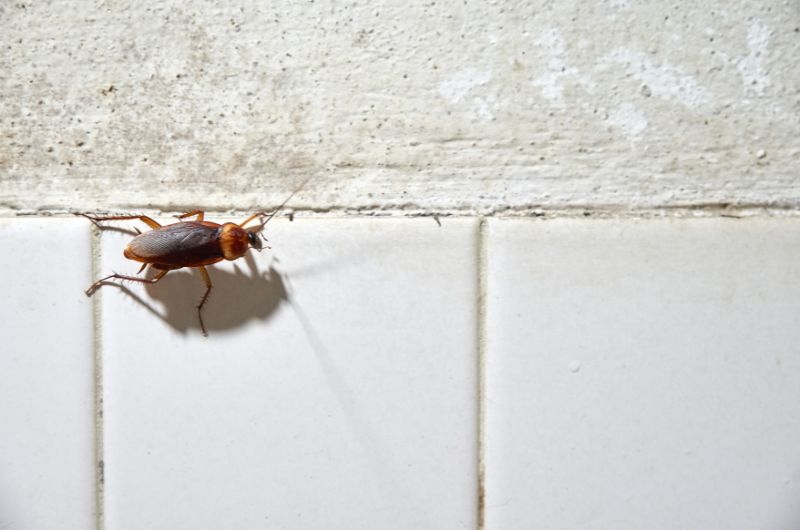
Keeping your rental property clean and free of pests is an important part of taking care of it. Still, pest control isn’t always the landlord’s responsibility. Who needs to handle the problem can depend on your lease, what caused the pests, and the condition of the property. Knowing how these responsibilities work can help Georgia landlords deal with pest problems sooner and avoid disagreements with tenants.
So, are landlords responsible for pest control in Georgia? Not in every case. Georgia renters are generally responsible for pest control unless the lease says otherwise. Landlords still have a duty to keep rental properties in good repair and provide safe, livable conditions. Because of this, responsibility can depend on what caused the pest problem and whether it’s connected to something the landlord needs to repair.
Local housing codes may also affect what a landlord needs to do. That makes a clear lease especially helpful for both you and your tenant. Spell out who handles pest control and what happens when a problem is reported. Before deciding who should pay for treatment, take time to look into the infestation. Finding the source can help you decide who is responsible and what needs to happen next.
A landlord may need to handle pest control when the lease gives that responsibility to the property owner. You may also be responsible when pests are getting inside because of a repair or property problem you need to fix. For example, rodents or other pests may enter through holes or other structural damage. In that case, the property itself may be helping cause the infestation.
When a tenant reports pests, start by reviewing the lease and checking the property. Look for damage or maintenance problems that could be giving pests a way inside. You should also consider any local housing codes that apply to the rental. Taking these steps can give you a clearer picture of the problem before you decide who should arrange and pay for pest control.
A tenant is typically responsible when their actions or lack of care caused the infestation. For example, leaving food out or failing to properly throw away trash can attract pests. Poor cleaning habits may cause problems as well. When the tenant’s actions are the source of the infestation, they may need to arrange pest control and cover the cost of treating the problem.
Tenants may also be responsible when they bring pests into the rental property. Furniture or appliances can sometimes carry pests such as bed bugs or fleas into a home. In cases like these, the tenant may need to handle treatment. Rules can vary depending on the situation and location, though. Your rental agreement or lease should clearly explain these responsibilities so both sides know what is expected.
Pest control responsibility can change based on what caused the problem. A clear lease can make these situations much easier to handle. Your agreement should explain who normally handles pest control and when tenants need to report an infestation. It should also explain who may need to pay for treatment. Clear terms give you and your tenants something specific to review when a pest problem comes up.
Good records can help, too. Document pest reports from tenants and keep track of what you find during inspections. Take care of maintenance problems that may be helping pests enter or stay in the property. Regular property inspections can also help you catch small issues before they become harder or more expensive to fix. This gives you a better chance to address pest problems before they lead to a dispute.
If you’re tired of handling time-consuming tenant issues or simply don’t have enough time, Excalibur Homes can help take some of that work off your plate. We offer a wide range of property management services in the Atlanta area. Our team can help manage the day-to-day needs of your rental property, giving you more time to focus on the bigger picture.