Select login option:


When tenants move out, landlords have an important opportunity to protect their investment while creating a positive rental experience. A successful move-out process includes clear communication, a thorough inspection, proper handling of the security deposit, and preparing the property for its next occupants. By following a consistent process and staying up to date with current laws and best practices, landlords can minimize disputes, reduce vacancy time, and keep their rental properties in excellent condition. This guide covers the essential move-out procedures every landlord should follow.
Well-defined move-out procedures benefit both landlords and tenants. Establishing clear expectations, documenting the property’s condition, and following a consistent inspection process helps prevent misunderstandings and unnecessary disputes. For landlords, an organized move-out process reduces turnover time, protects the property’s condition, and makes it easier to prepare for new tenants. For renters, transparent expectations and prompt communication create a more positive experience and help ensure a fair return of their security deposit. Consistency throughout every move-out also demonstrates professionalism and strengthens your reputation as a responsible landlord.
The first step is confirming the tenant’s official move-out date. While the lease establishes the end of the tenancy, it’s important to verify the exact date and time the tenant plans to surrender possession of the property. Most leases require tenants to provide written notice, typically 30 to 60 days in advance, before vacating. Confirm the timeline in writing, especially if both parties agree to an earlier or later move-out date. Having everything documented helps eliminate confusion and keeps the transition on schedule.
A move-out letter gives tenants clear instructions for the end of their lease. It should include the confirmed move-out date, cleaning expectations, key return procedures, utility responsibilities, and information about how the security deposit will be handled. Including a room-by-room move-out checklist can help tenants understand exactly what needs to be completed before the final inspection. Sending this information several weeks before move-out gives tenants adequate time to prepare and helps reduce last-minute issues.
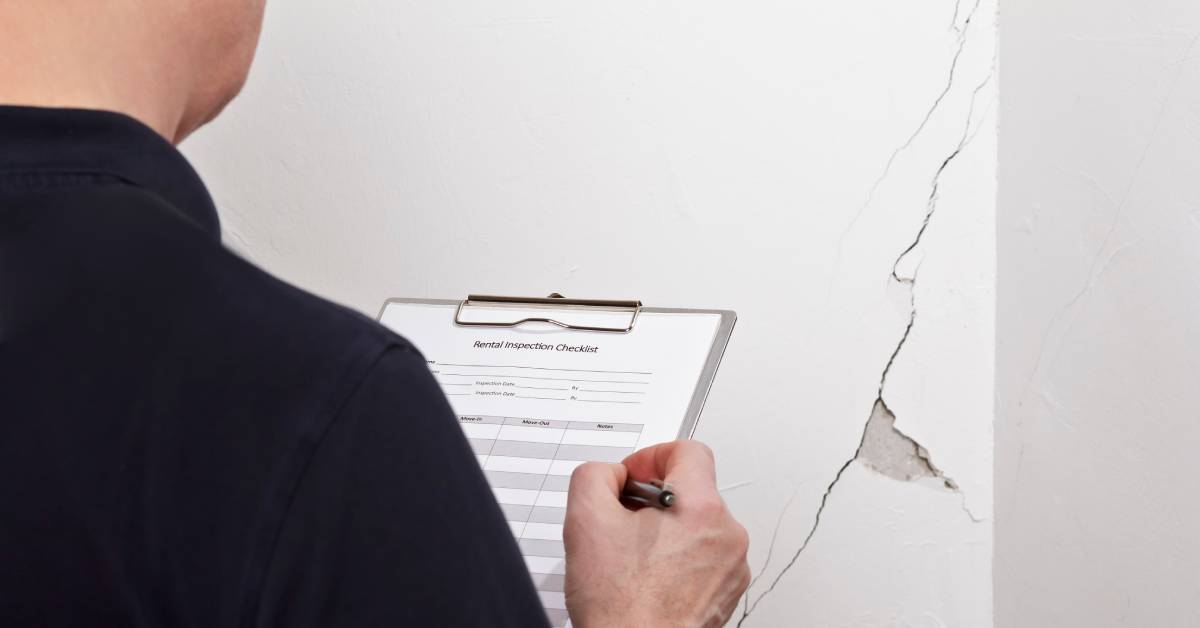
Conducting a final inspection allows you to evaluate the property’s condition after the tenant has removed all belongings. Whenever possible, schedule the inspection shortly after the tenant vacates and, if state law permits, invite the tenant to participate.
Bring your original move-in inspection report for comparison and carefully document the property’s current condition with notes, photos, and videos. Record any damage that exceeds normal wear and tear, along with estimated repair costs. Thorough documentation is one of the best ways to resolve potential disagreements regarding repairs or security deposit deductions.
Before concluding the tenancy, collect all keys, garage door openers, gate remotes, mailbox keys, parking passes, security cards, and any other property access devices. Confirm that everything has been returned to help maintain the property’s security. Also request the tenant’s forwarding address and updated contact information. You’ll need this information to send the security deposit, any required documentation, or future correspondence if necessary.
After the property is vacant, begin preparing it for its next occupants. Address any maintenance issues identified during the inspection, complete necessary repairs, and perform a thorough cleaning throughout the home. Many landlords and property managers choose professional cleaning and maintenance services, such as Atlanta property services, to ensure the property is move-in ready.
Fresh paint, carpet cleaning, landscaping, HVAC servicing, and minor repairs can help attract quality tenants and reduce vacancy time. If you’re unfamiliar with local contractors, working with trusted property maintenance professionals can streamline the turnover process and ensure quality results.
Occasionally, tenants leave behind personal belongings after moving out. Landlords should follow all applicable state and local laws regarding abandoned property before disposing of any items. In Georgia, for example, landlords and property managers should document any abandoned belongings and follow current legal requirements regarding notification, storage, and disposal. Because abandoned property laws can change, it’s important to verify that you’re following the most current state regulations before taking action. Maintaining detailed records throughout the process helps protect both landlords and former tenants.
Returning the security deposit remains one of the most important legal responsibilities during tenant turnover. Georgia law requires landlords to return any refundable portion of the security deposit within the applicable legal timeframe after the tenant vacates and the lease has ended, along with an itemized list of any lawful deductions for damages, unpaid rent, or other lease agreement violations.
Landlords generally cannot deduct for normal wear and tear. Providing clear documentation, repair invoices when appropriate, and timely communication helps build trust and reduces the likelihood of disputes. Because landlord-tenant laws occasionally change, always verify that your procedures comply with the latest Georgia requirements.
Once the property has been cleaned and repaired, it’s time to market the rental. Update your listing with high-quality photographs, an accurate property description, and competitive rental pricing based on current market conditions. Highlight any recent upgrades or improvements made during turnover.
Today’s renters often begin their search online, so listing your property across major rental websites, social media platforms, and virtual tour services can significantly increase visibility. Partnering with an experienced property management company can also help reduce vacancy periods through professional marketing, tenant screening, and leasing services.
A well-organized move-out process protects your investment while creating a positive experience for both landlords and tenants. Clear communication, thorough documentation, prompt maintenance, and compliance with current landlord-tenant laws all contribute to faster turnovers and fewer disputes.
If you’re looking for professional support with tenant transitions, property maintenance, and day-to-day rental management, Excalibur Homes has been serving property owners throughout the Atlanta area for more than 35 years. Our experienced team helps landlords simplify every stage of the rental process, from leasing and inspections to maintenance coordination and tenant move-outs. Contact us today to learn how we can help you maximize your rental property’s success.