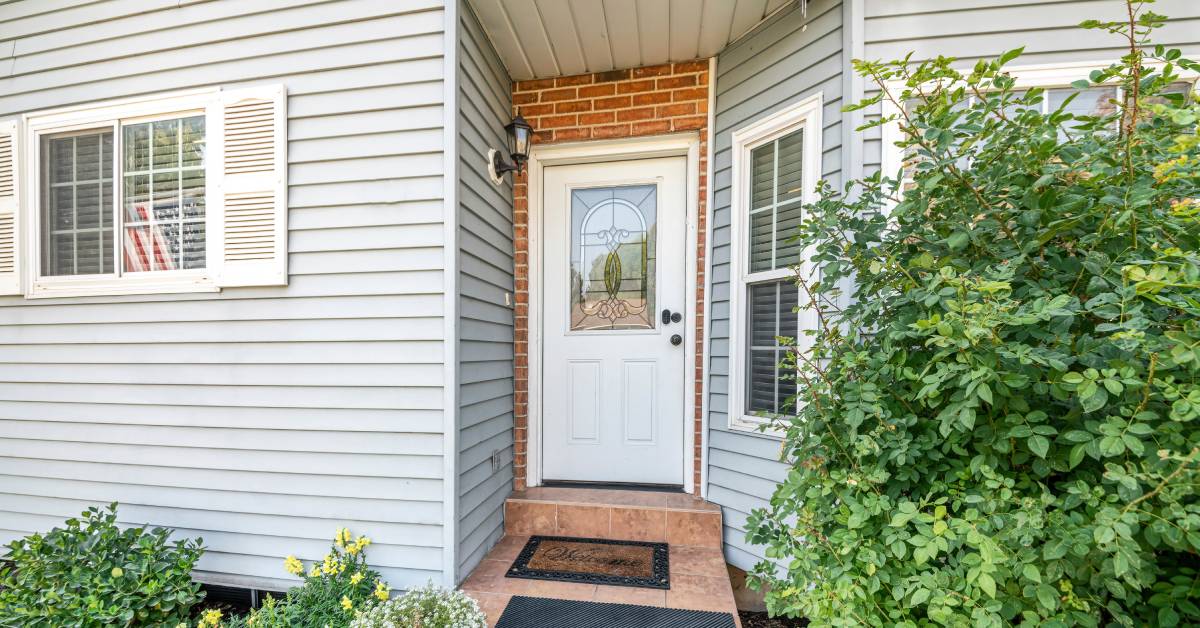
When it comes to rental properties, both landlords and tenants may feel concerned about security and privacy. One of the common questions is whether a landlord is allowed to install security cameras on the property. Understanding the legal implications, privacy considerations, and best practices is crucial for both parties to maintain a solid relationship between landlords and tenants. We’ll dive into the laws and guidelines governing the installation of security cameras in rental properties within the state of Georgia.
Georgia Outdoor Surveillance Camera Laws: What Every Landlord and Property Owner Should Know
In Georgia, the laws governing the installation and use of security cameras by landlords focus on privacy rights and reasonable expectations of privacy. Landlords can install security cameras in common areas of the rental property, such as entrances, parking lots, and shared hallways. These spaces are considered public and not somewhere a tenant would typically expect a high level of privacy.
However, landlords must respect a tenant’s privacy within their own homes. Installation of security cameras inside private spaces or even the interior of the rental unit is generally prohibited and can lead to legal ramifications. Laws on outdoor surveillance cameras for homes in Georgia include backyards with privacy fencing and private patios. These areas are viewed as private and are generally off-limits for landlord-installed security cameras during an active lease.
Tenants have the right to expect their personal space to remain undisturbed and free from video surveillance. Landlords must also be transparent about the presence and use of security cameras. Inform your tenants in the lease agreement or through a written notice, outlining where the cameras are located and the purpose of their use.
Georgia’s security camera laws and surveillance legal framework centers on O.C.G.A. §16-11-62, which makes it unlawful to observe, photograph, or record the activities of another in any private place without the consent of all persons observed. Landlords and homeowners must understand what qualifies as private versus public facing under this statute.
Federal wiretapping protections under 18 U.S.C. §2511 add a second layer of oversight, prohibiting the intentional interception of any wire, oral, or electronic communication. Georgia’s state laws generally provide stronger protections, so compliance with state law typically satisfies federal requirements.
Rental property owners face a dual obligation to protect the asset, while respecting tenant privacy rights, a balance that property management companies, such as Excalibur Homes, navigates daily across our more than 1,500 managed homes in Metro Atlanta.
O.C.G.A. §16-11-62 Explained: The Georgia Statute That Controls Where Your Cameras Can Go
O.C.G.A. §16-11-62 makes it unlawful to use any device to observe or record activities in a private place without consent. Courts have interpreted this in light of the reasonable expectation of privacy standard (University of Georgia Law Review), which includes areas such as bathrooms, bedrooms, and interior living spaces in a tenant-occupied unit. This means no audio recording or video recording.
The statute does not restrict surveillance in areas visible to the general public, which is why exterior-facing and outdoor surveillance cameras on driveways, front porches, and property perimeters are generally permissible for both homeowners and landlords.
Excalibur Homes’ compliance-first management approach includes advising property owners on rental property camera placement that protects assets without crossing legal boundaries. This is a critical risk-reduction step that many self-managing landlords overlook.
Landlord Camera Rules: What’s Allowed in Common Areas vs. Private Tenant Spaces
Definition and Examples of Common Areas and Private Spaces
Common areas in a rental property are accessible to all tenants and visitors, where there’s no reasonable expectation of privacy. Examples of common areas include lobbies, stairwells, mailrooms, laundry facilities, gyms, and outdoor spaces, including courtyards or parking lots. These spaces are for shared use, so tenants should understand they may be monitored for security purposes.
Private spaces are areas within the rental unit that are exclusively for tenant use. These spaces include bedrooms, bathrooms, and the entirety of the individual living area of an apartment or house. In these private spaces, tenants have a right to complete privacy, and any intrusion by way of surveillance cameras is not only unethical but also illegal.
Rules for Installing Cameras in Common Areas
Landlords can install security cameras in common areas such as entrances, parking lots, and shared hallways. These spaces are considered public and not where a tenant would expect a high level of privacy. Landlords must be transparent and should inform tenants in the lease agreement or through written notice outlining camera locations and purpose.
When installing cameras in common areas, landlords should ensure security, while respecting tenant privacy. First, the placement of cameras should be strategic and justifiable, focusing on high-traffic areas or spots prone to incidents, such as entrances, exits, and parking lots. There must be no hidden cameras. The cameras must be visible, as visible cameras serve as a deterrent to potential intruders.
Restrictions on Surveillance in Private Spaces
Interior spaces where tenants have a reasonable expectation of privacy, including inside the rental unit, backyards with privacy fencing, and private patios, are generally off-limits for landlord-installed cameras during an active lease.
It’s easy to understand why tenants would have an expectation of absolute privacy in spaces, such as bathrooms and bedrooms. These areas are the sanctuaries of personal life, where intimate activities occur and any form of video recording or surveillance would be a blatant violation of privacy laws.
Georgia law is very clear on this matter: installing cameras in private spaces where tenants have a reasonable expectation of privacy is prohibited. Respecting these boundaries isn’t just about adhering to legal requirements. It’s about fostering trust and creating a comfortable living environment for your tenants.
Invading privacy with unauthorized surveillance can have severe legal consequences, including lawsuits and hefty fines. Additionally, such actions would tarnish a landlord’s reputation and result in a high turnover rate as tenants seek out more respectful accommodations.
Best Practices for Landlords
Tips for Installing Cameras Ethically and Legally
A best practice is to document all camera locations in the lease agreement and to prioritize transparency as you’re installing cameras. First, communicate openly with your tenants and explain the purpose behind surveillance. You could create an addendum in the lease agreement or post a detailed notice highlighting where the cameras will be and the areas they will cover.
Another critical aspect is gaining consent. While it’s not always legally required to get explicit consent for cameras in common areas, doing so can build trust and goodwill with tenants. Consider holding a tenant meeting or providing an opt-in form where residents can express their understanding and agreement with the surveillance measures. Also, make sure that all installed cameras are visible.
Keep in mind that surveillance laws can change and staying updated helps landlords remain compliant and avoid legal repercussions. Consulting a legal expert can be wise to help you meet current legal standards.
Finally, consider installing signage indicating that an area is under surveillance. This can act as a deterrent to nefarious activities, contribute to the safety of the property, and add transparency for tenants about the areas you’re monitoring.
Tenants also have rights to install their own security devices or home security, such as Ring doorbells, in many cases. Lease terms should clarify what is permitted, such as home security cameras, and any requirements for removal at move-out.
Excalibur Homes’ leasing process includes property-specific addenda that cover security equipment disclosure, a step that reduces disputes and legal exposure for owners.
Communicating With Tenants About Surveillance
Open and clear communication with tenants about surveillance and security systems is critical for building a peaceful and respectful living environment. One effective approach is to host periodic informational sessions where tenants can learn about and discuss the camera installations. In these meetings, explain the locations and purposes of the cameras while providing an opportunity for tenants to voice their concerns or questions.
Also, we recommend distributing written material that outlines the surveillance policies so that each tenant can refer to the document as needed. Maintaining an open-door policy where tenants feel comfortable approaching you with any privacy concerns can enhance their trust.
Supporting Data Security and Handling Footage Appropriately
Protecting the privacy of tenants through data security is paramount when handling surveillance footage. Landlords must be vigilant about who has access to the recorded material and how they store it. Utilizing encrypted storage solutions and setting access controls can prevent unauthorized access to the footage.
Regular audits of camera systems and data security measures can help you pinpoint potential vulnerabilities before they become problematic. Moreover, you should establish clear policies and communicate with tenants regarding how long you’ll retain footage and under what circumstances it might require reviewing.
Ultimately, a Georgia landlord can install security cameras. Doing so can give everyone peace of mind regarding safety. If you need help walking that legal line and keeping your property compliant with state and federal laws, Excalibur Homes can help. We offer a suite of property management services in Atlanta, providing landlords with the knowledge and expertise necessary to create a smoother, more successful rental experience.

 When it comes to rental properties, both landlords and tenants may feel concerned about security and privacy. One of the common questions is whether a landlord is allowed to install security cameras on the property. Understanding the legal implications, privacy considerations, and best practices is crucial for both parties to maintain a solid relationship between landlords and tenants. We’ll dive into the laws and guidelines governing the installation of security cameras in rental properties within the state of Georgia.