
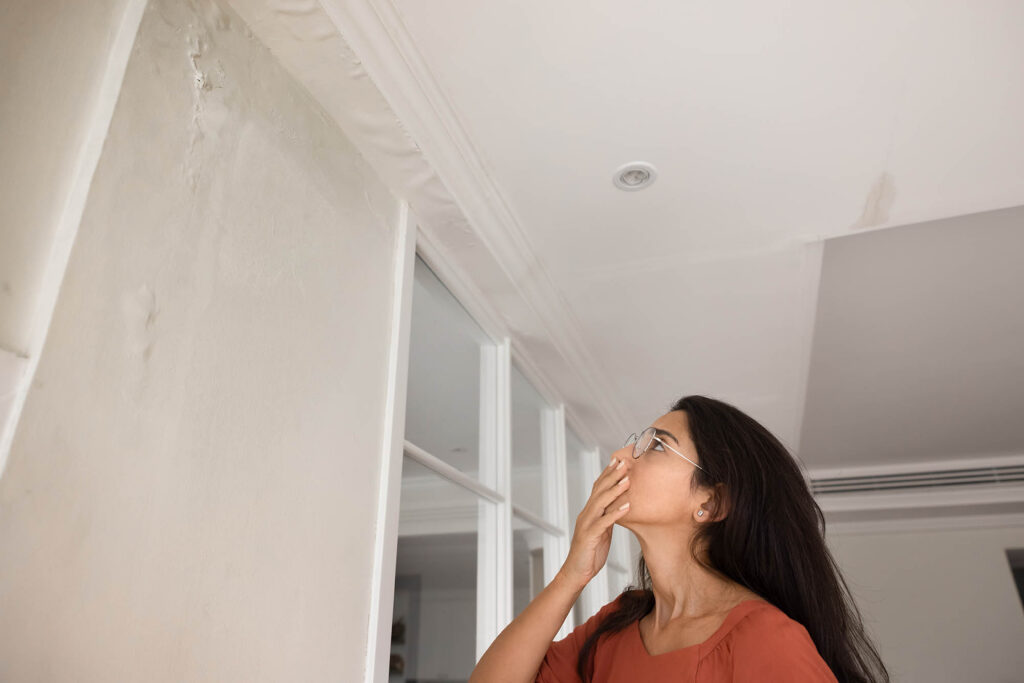
What Counts as a Rental Maintenance Emergency and What Doesn’t
For owners of a rental property, few situations are more stressful than receiving a late-night call from a tenant reporting a problem. But not every issue qualifies as an emergency maintenance situation. Understanding the difference between true emergencies and routine property maintenance requests can save property owners thousands of dollars while ensuring tenants remain safe and comfortable.
A true emergency rental property maintenance issue is any condition that threatens life safety, makes a home uninhabitable, or causes ongoing property damage if not addressed within hours, not days. Examples include gas leaks, active flooding, electrical hazards, fire, sewage backups, and complete HVAC failure during extreme weather.
By contrast, many “urgent” tenant calls fall into critical or routine maintenance categories. A dripping faucet,
a garage door malfunction, or a non-essential appliance issue may require prompt attention, but they rarely justify an after-hours vendor dispatch. Many professional property management companies use a three-tier classification system.
Three-Tier Classification System
Emergency: Immediate response required.
Critical: Repair needed within 24–72 hours.
Routine: Repair scheduled within several business days.
This framework helps reduce unnecessary spending on after-hours emergency repairs while ensuring legitimate emergencies receive immediate attention. (CGP Real Estate Consulting) The definition of an emergency should also be clearly written into the lease agreement. The most effective leases explain emergency situations in plain English rather than burying them in legal language. Tenants should understand exactly when to submit a standard maintenance request and when to call the emergency line. Successful landlords and property managers view tenants as customers who need clear expectations.
Proper education at move-in, including discussing emergency procedures and conducting thorough move-in and move-out inspections, helps prevent confusion and unnecessary service calls. While habitability requirements vary, Georgia landlords generally have obligations to maintain safe and livable housing. Owners should consult qualified legal counsel regarding specific landlord-tenant matters.
The 7 Most Common Rental Maintenance Emergencies and How to Triage Each
While every property is different, seven emergency categories appear consistently across the rental housing industry.
1. Burst Pipes and Major Water Leaks
Water can cause extensive damage within hours. Tenants should immediately shut off the water supply if possible and notify the property manager. Owners should dispatch a plumber immediately to prevent structural damage and mold growth. (Bay Property Management Group)
2. Gas Leaks
Gas leaks are among the most dangerous emergency situations. The proper response is simple: evacuate immediately and call 911 or the gas utility provider first. Only after everyone is safe should the tenant contact the property manager. Document this hierarchy in writing.
3. HVAC Failure During Extreme Weather
In Atlanta, summer temperatures frequently exceed 95°F. A complete HVAC failure during extreme heat can quickly become a habitability issue. Similarly, lack of heat during winter freezes may qualify as an emergency.
4. Electrical Hazards
Sparking outlets, exposed wiring, burning smells, or repeatedly tripped breakers can indicate serious fire risks. Tenants should avoid using affected systems and contact emergency maintenance immediately.
5. Sewer Backups
Raw sewage creates health hazards and can make a rental unit uninhabitable. Immediate containment and professional repair are necessary. (Buildium)
6. Fire or Smoke Damage
Any active fire requires a 911-first response. Once emergency responders have secured the scene, the property manager can coordinate restoration and repairs.
7. Unsecured Doors After a Break-In
If exterior doors or locks are compromised, the property must be secured immediately. Emergency locksmith or board-up services may be required.
Atlanta’s seasonal weather patterns also affect emergency frequency. Winter cold snaps increase the risk of frozen pipes, while summer heat drives HVAC-related emergency maintenance requests.
A Step-by-Step Emergency Response Process What Your PM Should Actually Do
The best property maintenance services follow a structured emergency response process. (Buildium)
Step 1: Triage and Assess
The tenant reports the issue, and the property manager determines whether it is emergency, critical, or routine maintenance.
Step 2: Contain Immediate Risk
Containment is often the most important step. For example, instructing a tenant to shut off water during a leak can dramatically reduce property damage before a vendor arrives.
Step 3: Dispatch a Vetted Vendor
The difference between a minor repair and a catastrophic loss often comes down to vendor availability. A strong vendor network allows immediate action rather than scrambling to find help at 2 a.m.
Step 4: Communicate with Tenant and Owner
Regular communication prevents frustration and confusion. Tenants need instructions, while owners need visibility into costs, timelines, and repair status.
Step 5: Document Everything
Photos, invoices, communication logs, and repair records should all be stored for insurance and accounting purposes.
A quality property management company provides owner visibility through online portals with timestamps, invoices, vendor reports, and maintenance updates. This is where Excalibur Homes no maintenance coordination upcharge model matters. Competitors profit when emergencies escalate. Excalibur’s incentives align with containment.
Emergency Response Time Standards: What’s Reasonable, What’s Negligent?
Response time and resolution time are often confused. Response time measures how quickly someone acknowledges and begins addressing the issue. Industry standards often target contact within 1 hour and vendor dispatch within 2–4 hours for true emergencies. Critical but nonemergency items are 24–72 hours.
(CGP Real Estate Consulting)
Resolution time refers to the complete repair. While a burst pipe may be stopped immediately, drywall replacement could take several days. Temporary fixes frequently represent successful emergency responses such as water shutoffs, portable cooling equipment, roof tarping, and temporary lock replacements. (Buildium)
Slow responses to habitability issues such as no water, no heat, or sewage backups can create significant legal and financial risks. In some cases, delayed action may contribute to claims involving constructive eviction or other housing disputes under Georgia Law O.C.G.A. § 44-7-13. Many expensive landlord lawsuits begin with a simple failure to acknowledge a tenant’s emergency call.
Why Remote and Out-of-State Owners Face Higher Emergency Risk
Remote ownership creates unique challenges. An owner living in California, New York, or Florida may receive an Atlanta emergency call but have no ability to physically inspect the property or coordinate vendors. Time-zone differences can create costly delays. Without trusted vendor relationships, owners often overpay for emergency repairs. They may also struggle to verify whether repair recommendations are legitimate.
Successful remote management requires:
- A local property manager
- A vetted vendor network
- Real-time owner portal access
- Pre-authorized maintenance spending limits
Many owners initially compare self-management vs. property management based on monthly fees. However, emergency response capabilities often become the deciding factor after the first major incident. With approximately 1,500 homes under management across Metro Atlanta, Excalibur Homes maintains the scale necessary to support a true 24/7 emergency response system that individual landlords often cannot replicate.
Preventing Emergencies Before They Happen: The Real ROI
The best emergency is the one that never occurs. Preventive property maintenance delivers some of the highest returns available to rental property investors.
Key Preventive Measures
- Annual HVAC servicing
- Water heater inspections after year eight
- Semiannual gutter cleaning
- Plumbing supply line replacement in older homes
- Tree inspections near roofs and structures
For example, a $250 HVAC tune-up may prevent a $4,000 to $8,000 emergency system replacement during peak summer demand. (Buildium)
Metro Atlanta owners should prioritize seasonal preparation:
- November: Pipe insulation checks.
- February: Gutter cleaning before spring rains.
- May: HVAC service before summer heat.
Preventive maintenance protects net operating income, reduces vacancy risk, minimizes tenant complaints, and helps avoid unexpected rent increases driven by escalating repair costs. Understanding the difference between normal wear and tear vs. damage also helps owners budget appropriately and identify issues before they become emergencies.
Building or Choosing the Right 24/7 Vendor Bench
A reliable vendor bench is essential for emergency maintenance success. At minimum, owners should have access to 2 plumbers including one 24/7 provider, 2 HVAC contractors, 1 electrician, 1 restoration company,
1 roofer, and 1 locksmith. (Bay Property Management Group)
Before hiring vendors, verify active licensing, Workers’ Compensation Coverage, at least $1 million in liability insurance, references from other property management companies, and written rate schedules. The biggest financial trap is emergency premium pricing. Ad-hoc vendors frequently charge two to three times standard rates for after-hours service.
Professional property management companies often negotiate flat-rate emergency pricing in advance, reducing costs for property owners. Excalibur offers zero maintenance coordination upcharges. Owners pay the vendor invoice. Many competitors add 10%–20% on top of every repair, which inflates emergency costs.
View Excalibur Homes’ Management Fee Calculator.
When Self-Managing Emergencies Stops Making Sense And What to Ask a Property Manager
For many owners, there comes a point when self-managing no longer makes financial sense. If you live more than 30 minutes from the property, own multiple rental units, or lack reliable vendors, emergency management can quickly become overwhelming.
When evaluating a property management company, ask:
- What is your average emergency response time?
- Do you charge maintenance coordination fees?
- What vendors are on your emergency roster?
- How are owners notified?
- Is after-hours staffing available 24/7?
- What visibility does the owner portal provide?
Ultimately, emergency rental property maintenance is about protecting both the tenant and the asset. The right systems, vendors, communication processes, and preventive maintenance strategies help owners reduce risk, avoid unnecessary expenses, and preserve long-term rental property performance.
Excalibur Homes offers an aligned-interest fee model. If you don’t get paid, we don’t get paid. We are Certified Residential Management Company (CRMC®) property managers with more than 40 years of experience.
We absorb emergency cost discipline as a structural incentive. Not a marketing claim. Contact us today.