
The Hidden Risk of Vacancy: Why Every Day Counts
When you own a rental property, you likely view “vacancy” as a loss of income—and you aren’t wrong. However, many landlords fail to realize that a vacant home isn’t just a missed paycheck; it is a significant insurance liability.
As Mike Nelson explains, the clock starts ticking the moment a tenant moves out, and the risks increase with every day that passes.
The “30-Day Window” You Need to Know About
Most standard landlord insurance policies contain a specific clause regarding vacancy. Typically, these policies only cover the property for 30 days of vacancy. Some might stretch to 60, but many landlords are shocked to find their coverage evaporates after that first month.
If something catastrophic happens on day 35, you could be facing a total financial loss with zero help from your provider.
Why Murphy’s Law Loves Empty Houses
In property management, we often say that Murphy was an optimist. The probability of something going wrong is directly correlated to the property being empty. Without a tenant on-site to report issues, small problems become disasters:
-
Environmental Damage: A pipe bursts during a freeze, but because no one is there to turn off the water, it runs for days, causing tens of thousands in damage.
-
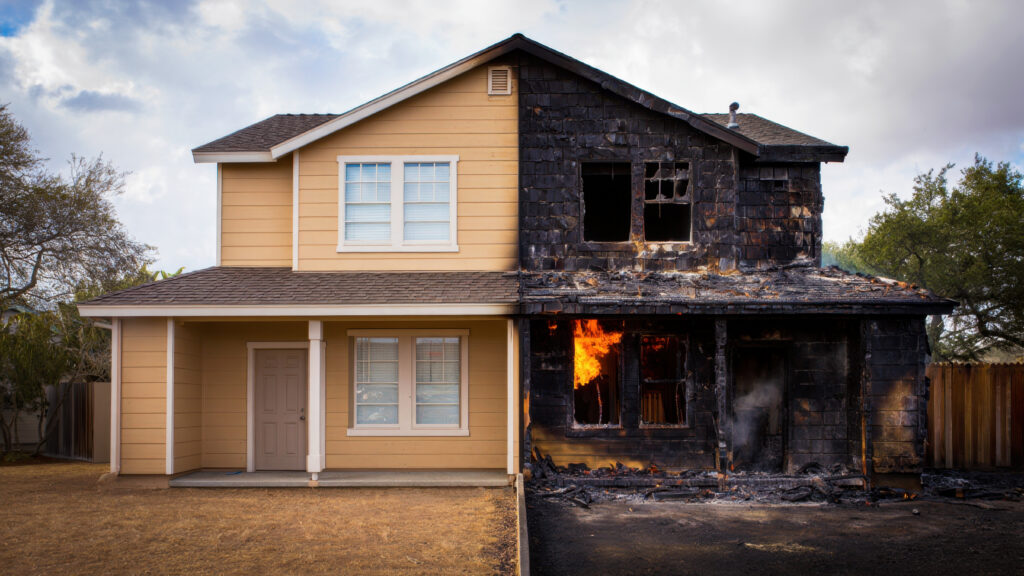
Vandalism & Squatters: Local teenagers or squatters may see an empty house as an invitation. If they vandalize the interior or start a fire after your 30-day coverage window, the bill is yours alone.
-
Natural Disasters: Lightning strikes or falling trees don’t care if a house is occupied, but your insurance company certainly does.
The High Cost of Indecision
We often see landlords lose precious time stuck in “analysis paralysis.” They spend weeks deciding whether to sell or re-rent, or they chase a 5th or 6th contractor estimate to save a few hundred dollars.
While you are trying to save $200 on a paint job, you are risking financial catastrophe.
Think of it like life or car insurance. You don’t buy it because you plan on something going wrong; you buy it because if something does go wrong, the cost is too high to bear alone. Prolonging a vacancy is essentially choosing to drive without insurance.
How to Protect Your Investment
To manage the risk of vacancy effectively, we recommend two primary strategies:
-
Speed is Safety: Get the property “rent-ready” as fast as possible. Efficiency isn’t just about cash flow; it’s about getting a set of eyes back into the home to maintain your insurance compliance.
-
Verify Your Coverage: If you know a renovation or a sale will take longer than 30 days, contact your agent immediately to secure alternative vacancy coverage. It will cost more, but it’s a fraction of the cost of a total loss.
Don’t let a vacancy turn into a disaster. At Excalibur Homes, we focus on fast turns and quality placements to keep your risk low and your investment protected.