
As a landlord, it’s a frustrating scenario: You own the property, you have the keys, and you have a legitimate reason to enter—be it for an inspection or a necessary repair. But the tenant refuses to let you in.
While your instinct might be to use your keys and walk in anyway, Mike Nelson, Broker and President of Excalibur Homes, warns that doing so could transform a simple civil dispute into a criminal matter.
It’s a Civil Contract, Not a Criminal Right
The most important thing to understand is that a residential lease is a civil contract. While the lease likely grants the landlord or manager the right to enter with proper notice, a tenant’s refusal to comply is a breach of that contract—not a green light for you to force entry.
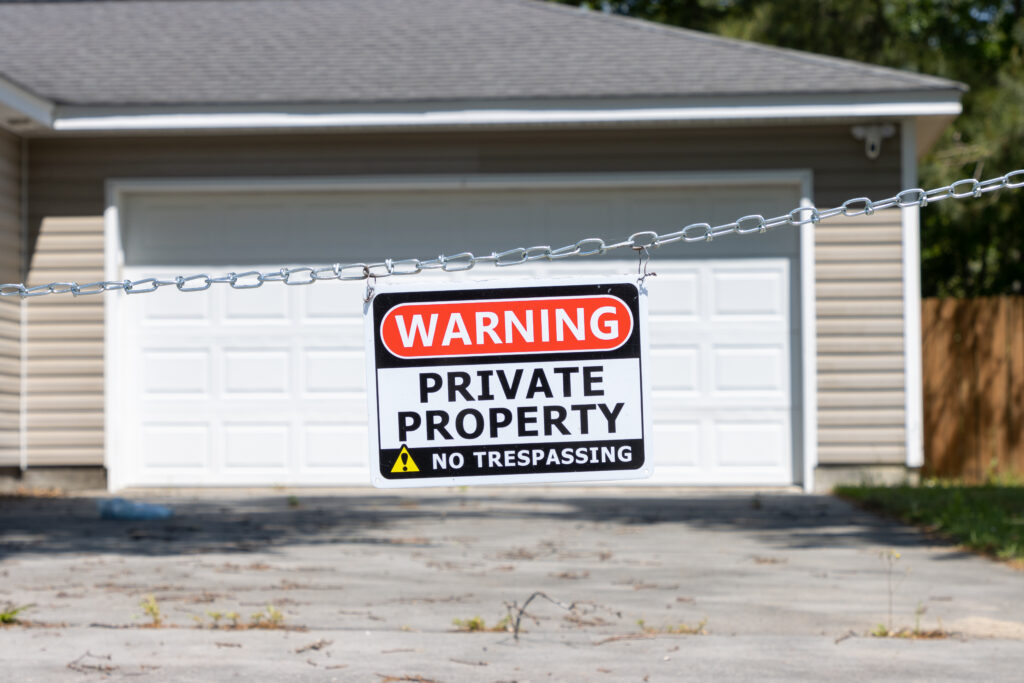
“What a lot of landlords don’t understand is that while all of that is civil, many think, ‘I’m the owner, I have keys, I’m going to go in when I want to.’ Well, that’s called criminal trespass.” — Mike Nelson
If you enter against the tenant’s express refusal, you risk being put in handcuffs. This is a civil issue that must be handled through the proper legal channels, such as declaring a lease default or pursuing an eviction based on “holding over” after a lease termination.
Why We Worry When the Door Stays Locked
When a tenant refuses access, it raises immediate red flags. At Excalibur, we often hear the excuse: “I just don’t want anyone in my home.” While we respect privacy, our stance is clear: It may be your home, but it is not your house. When a tenant denies access, we have to consider the worst-case scenarios, such as:
-
Illegal laboratory operations (meth labs).
-
Unauthorized agricultural setups (marijuana grows).
-
Unregulated animal breeding (puppy mills).
Because most tenants comply with the lease, a persistent refusal to grant access suggests there is a significant reason for the secrecy.
The Solution: Financial Influence and Aligned Interests
To encourage compliance without a trip to the courthouse, Excalibur uses a lease structure that includes financial penalties for refusing access.
-
The “No-Show” Fee: If a tenant agrees to a time and then stands up the contractor or manager, they are charged a fee.
-
The Silence Penalty: If a tenant is notified of an entry and remains silent or refuses when we arrive, a fee is applied.
Who Receives the Fee?
Our “Aligned Interest” fee structure ensures that the party who is actually harmed by the tenant’s refusal is the one compensated:
| Scenario | Who is Harmed? | Who Receives the Fee? |
| Maintenance Call: Tenant stands up a contractor; owner gets billed for a service call. | The Owner | The Owner |
| Inspection: Tenant refuses entry to an Excalibur inspector. | The Manager | Excalibur |
The Bottom Line
Never try to force your way into a property. If a tenant says “no,” that means “no” for that moment. Deal with the breach through the financial penalties outlined in your lease and, if necessary, through civil court.
Protecting your investment is important, but protecting your record and your freedom comes first.
Need help managing difficult tenant situations?
At Excalibur Homes, we handle the tough conversations and the legal complexities of property management so you don’t have to.